About
Thanos Karakantas
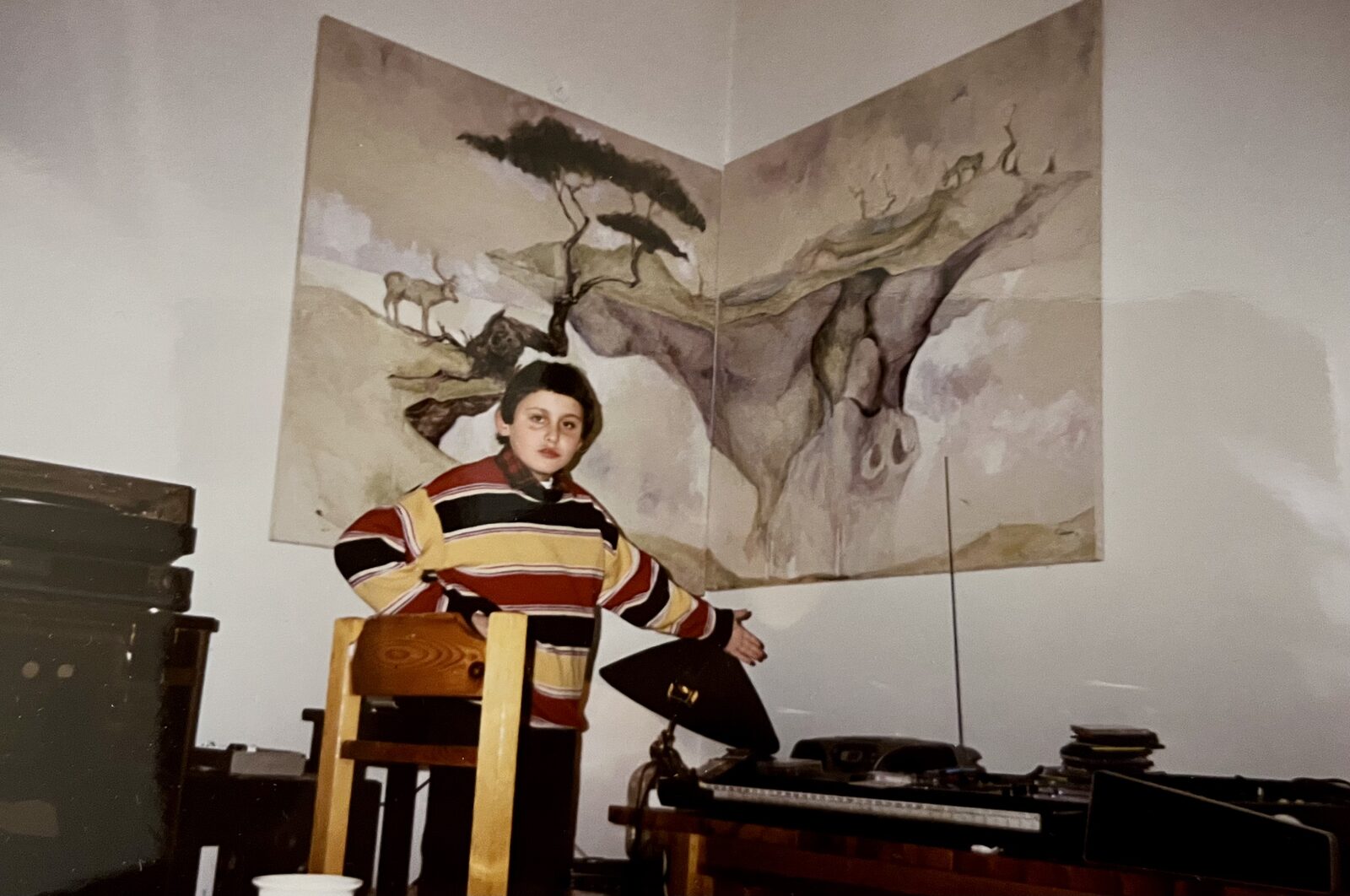
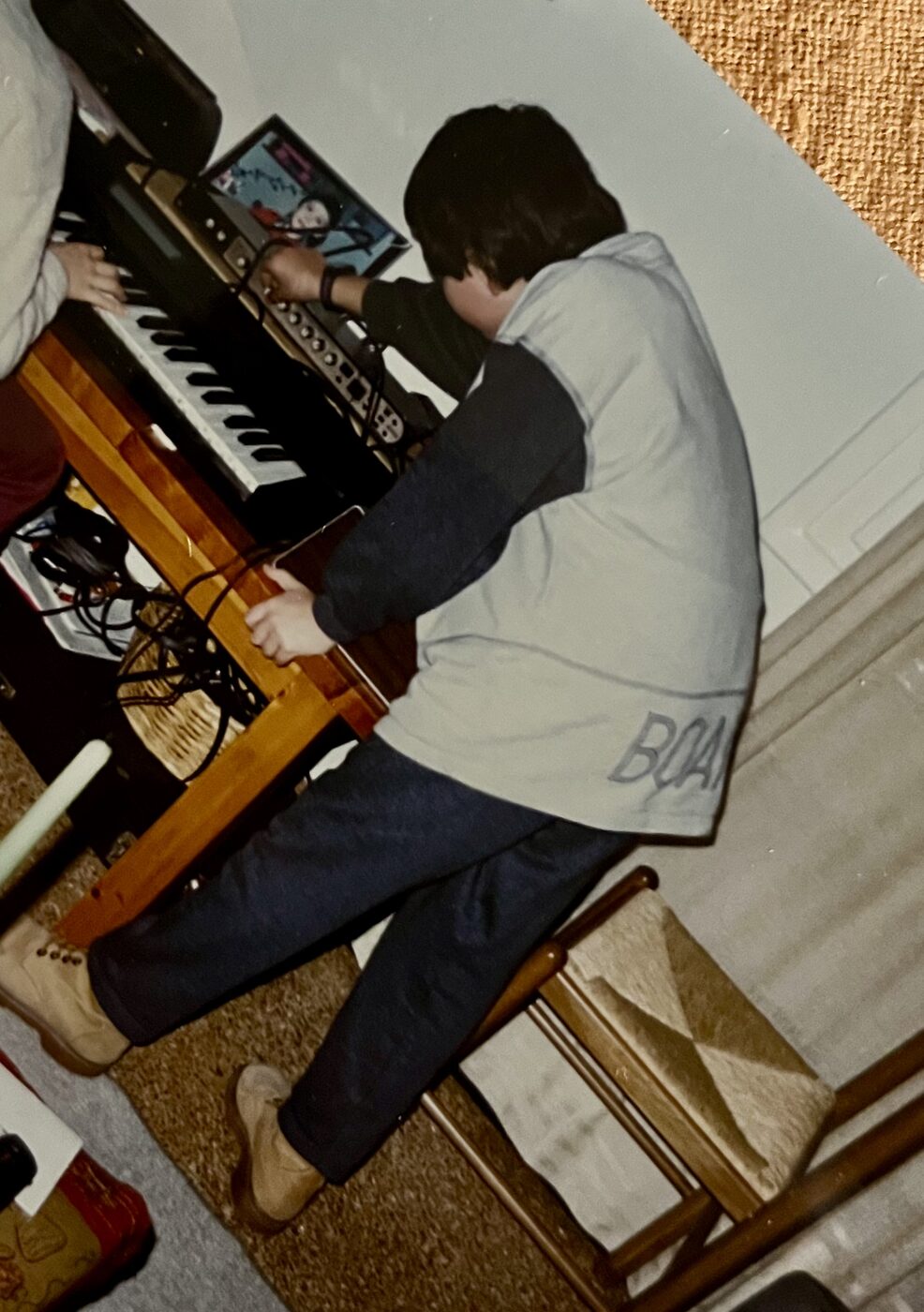
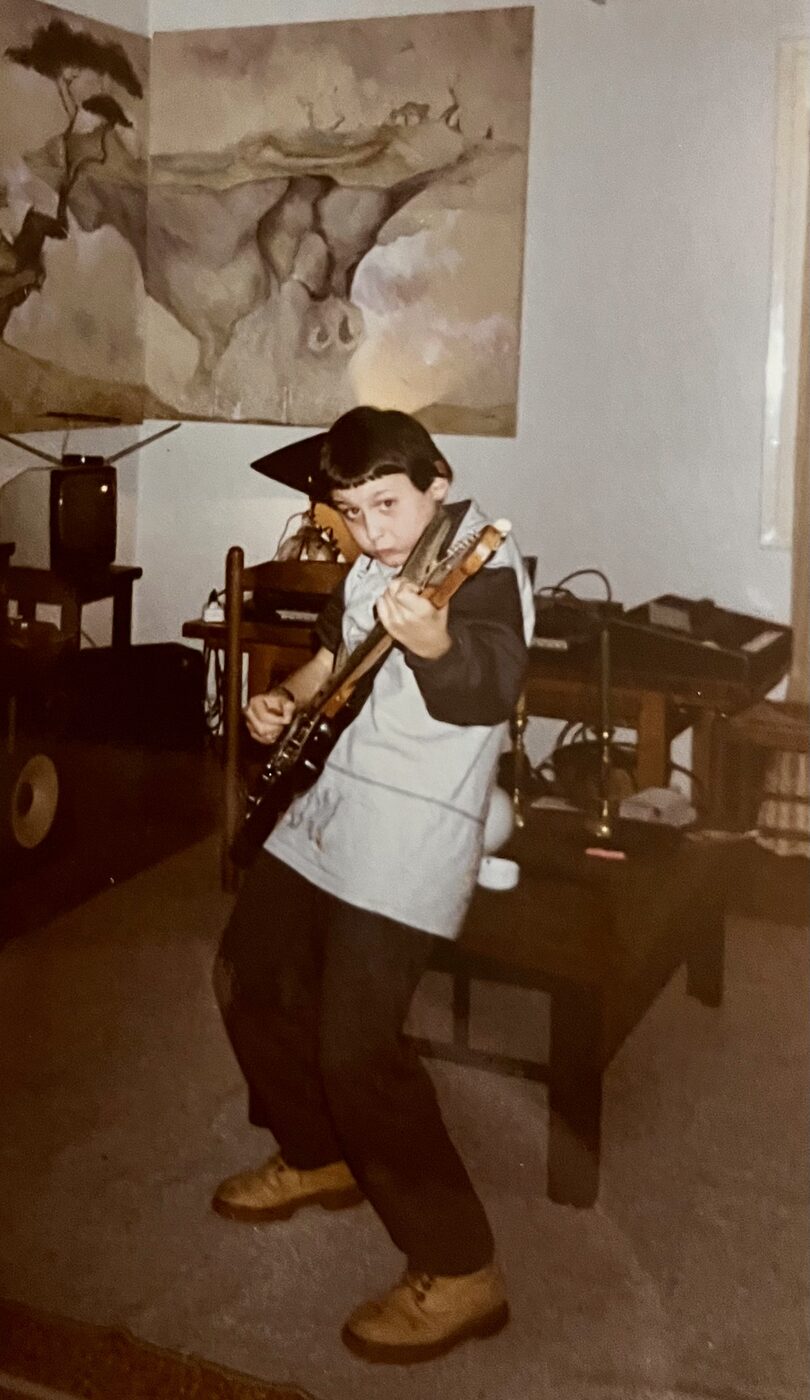
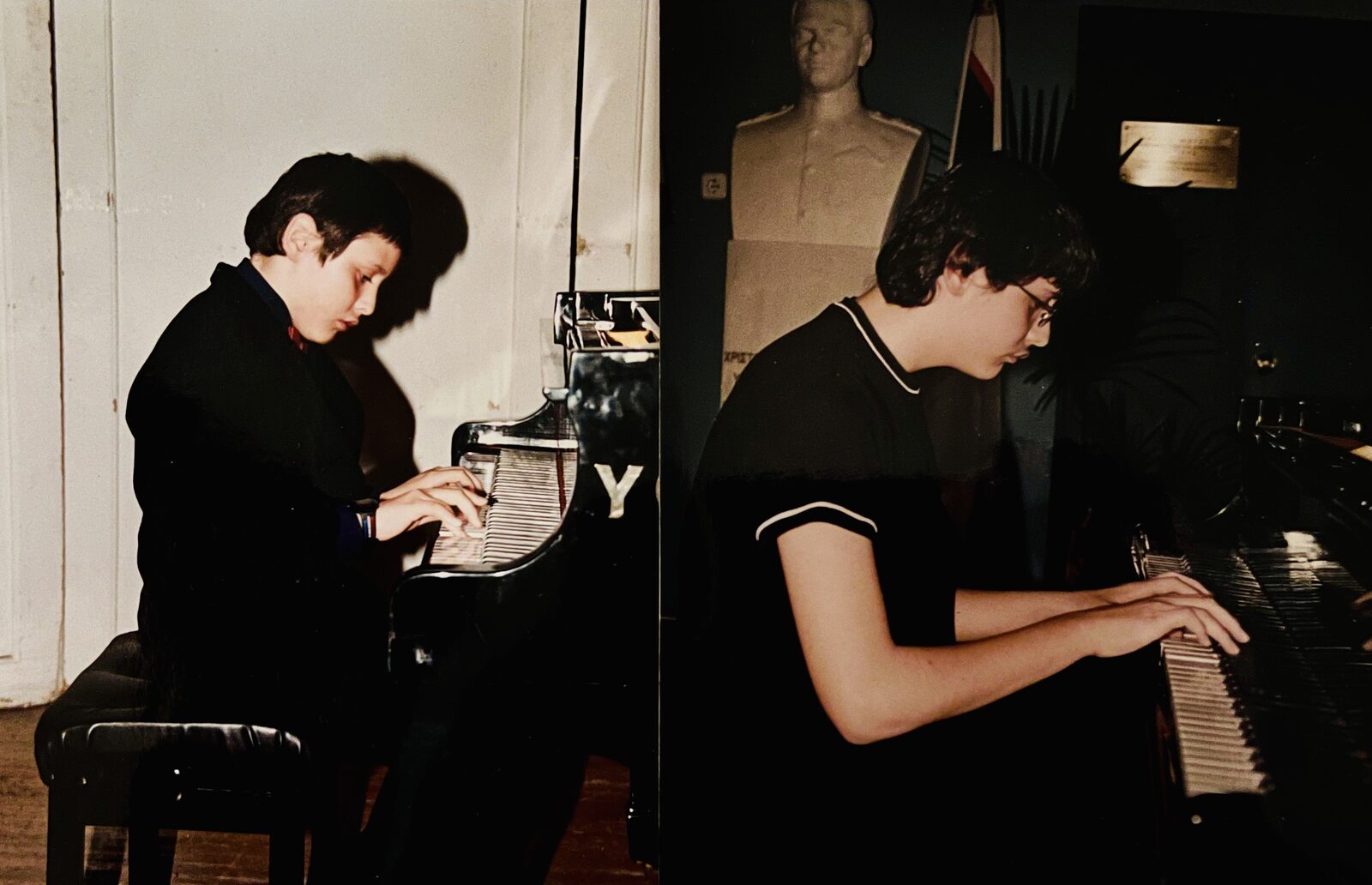
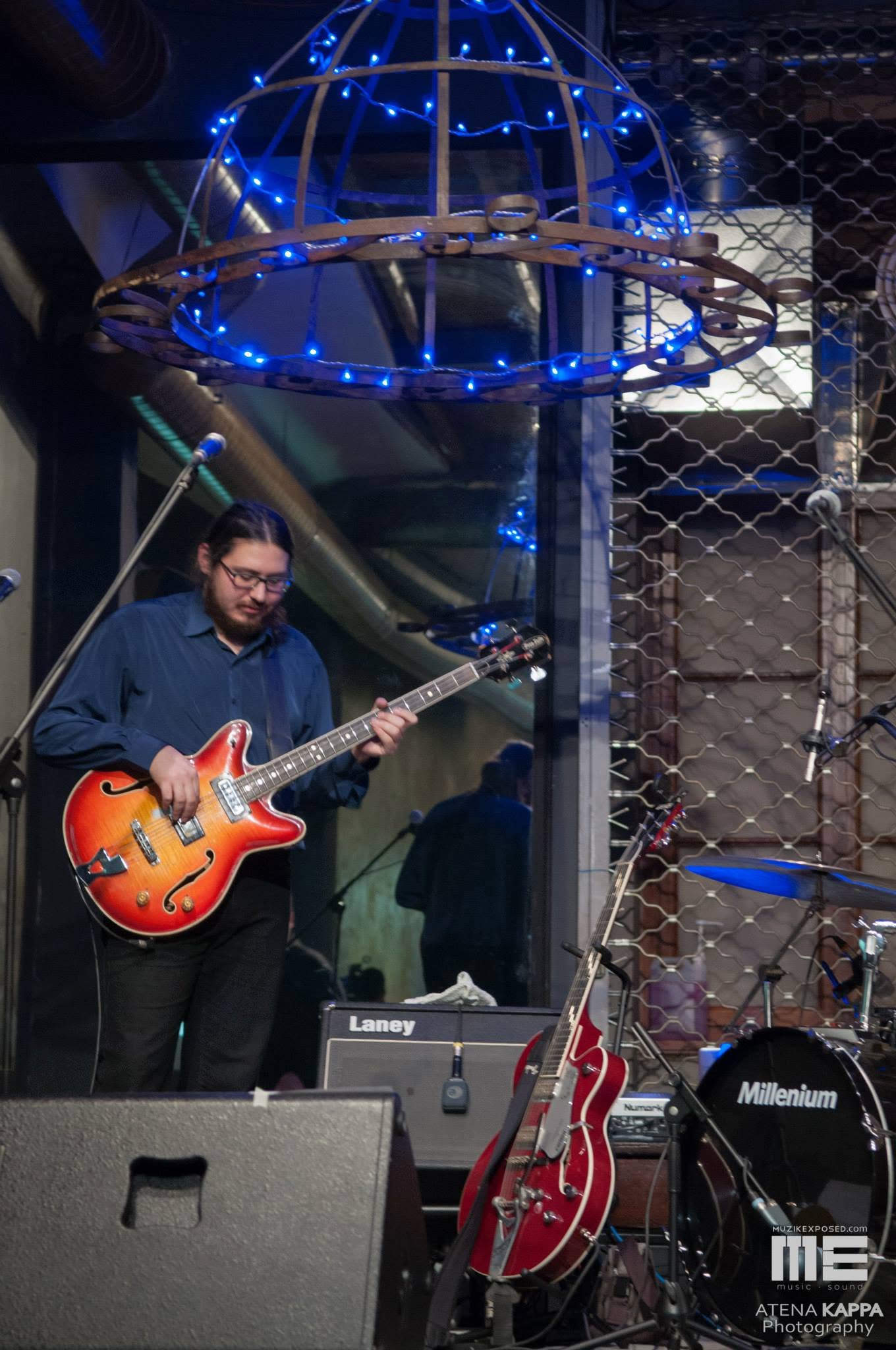
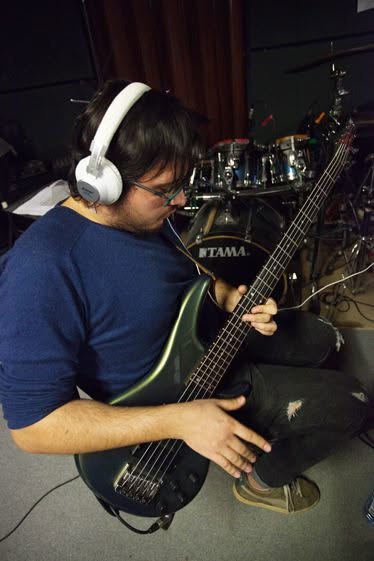
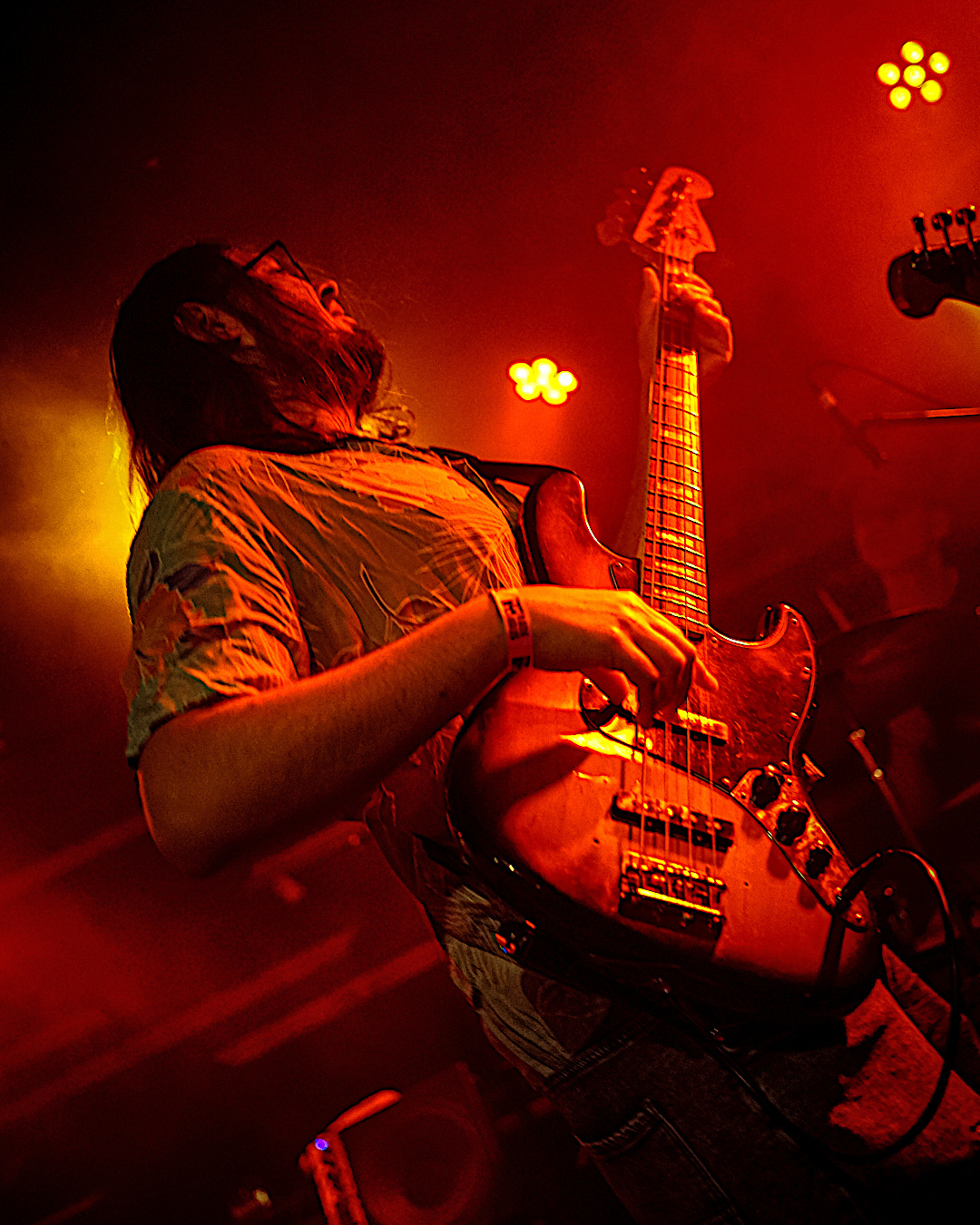
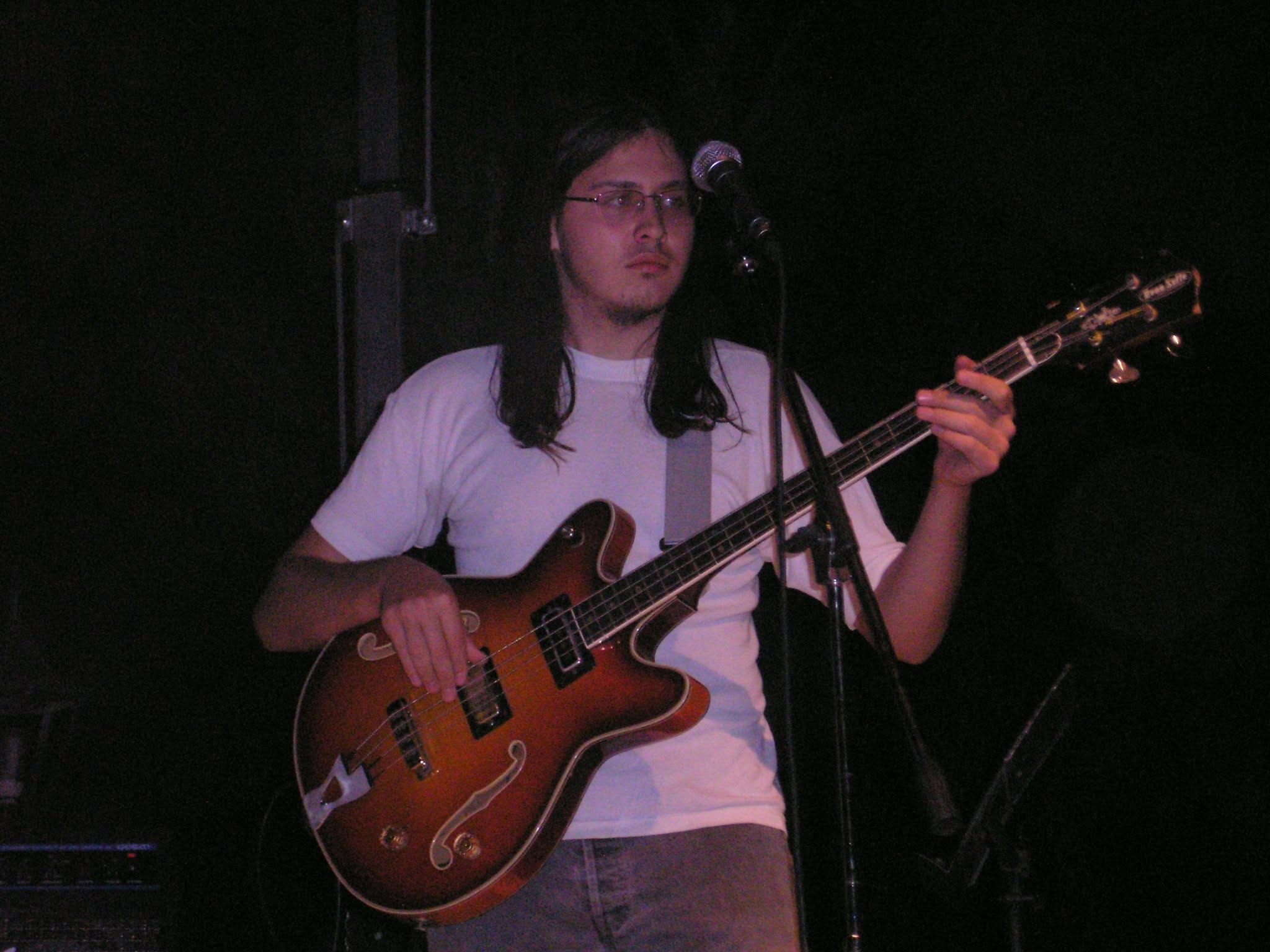
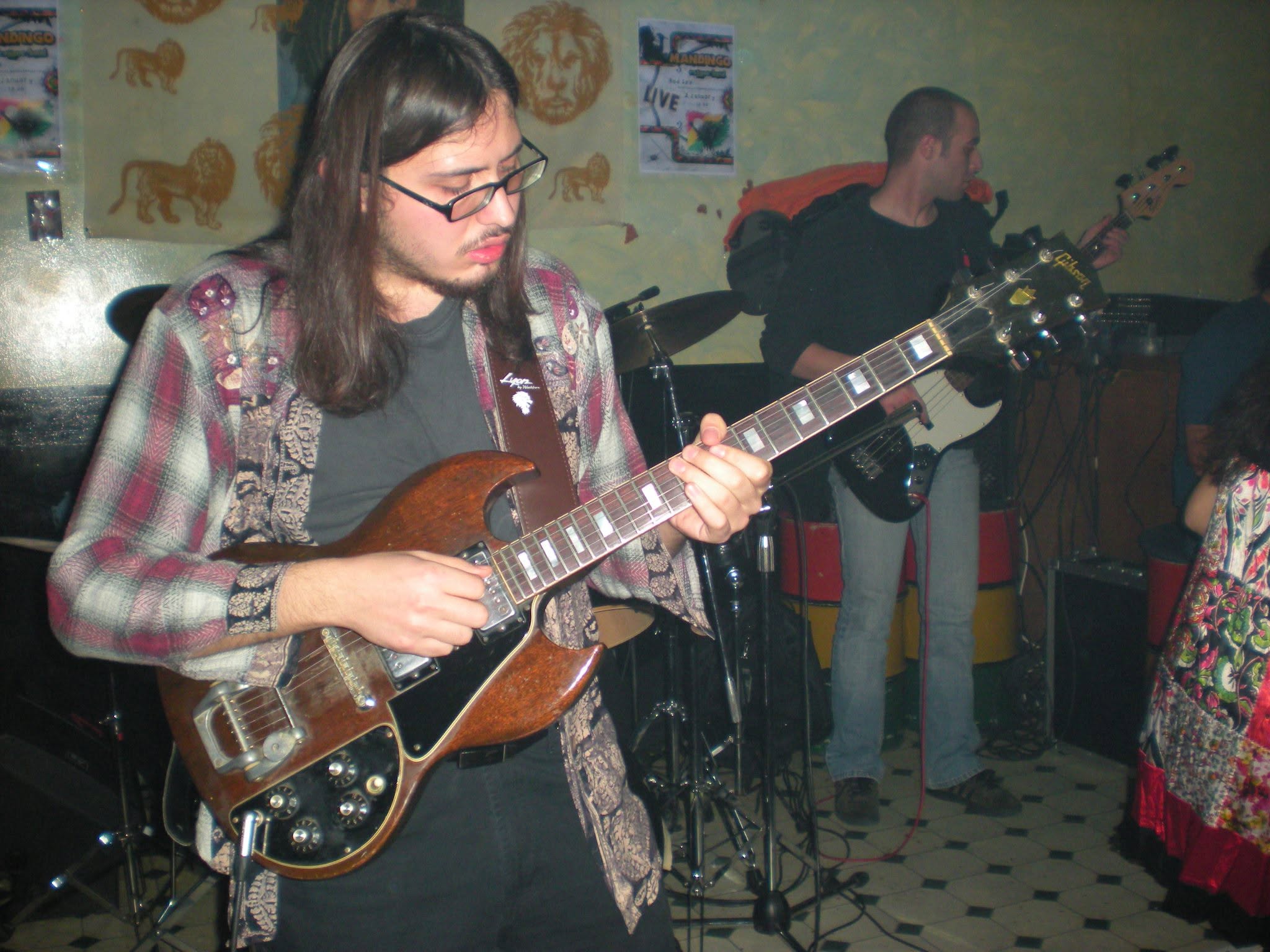
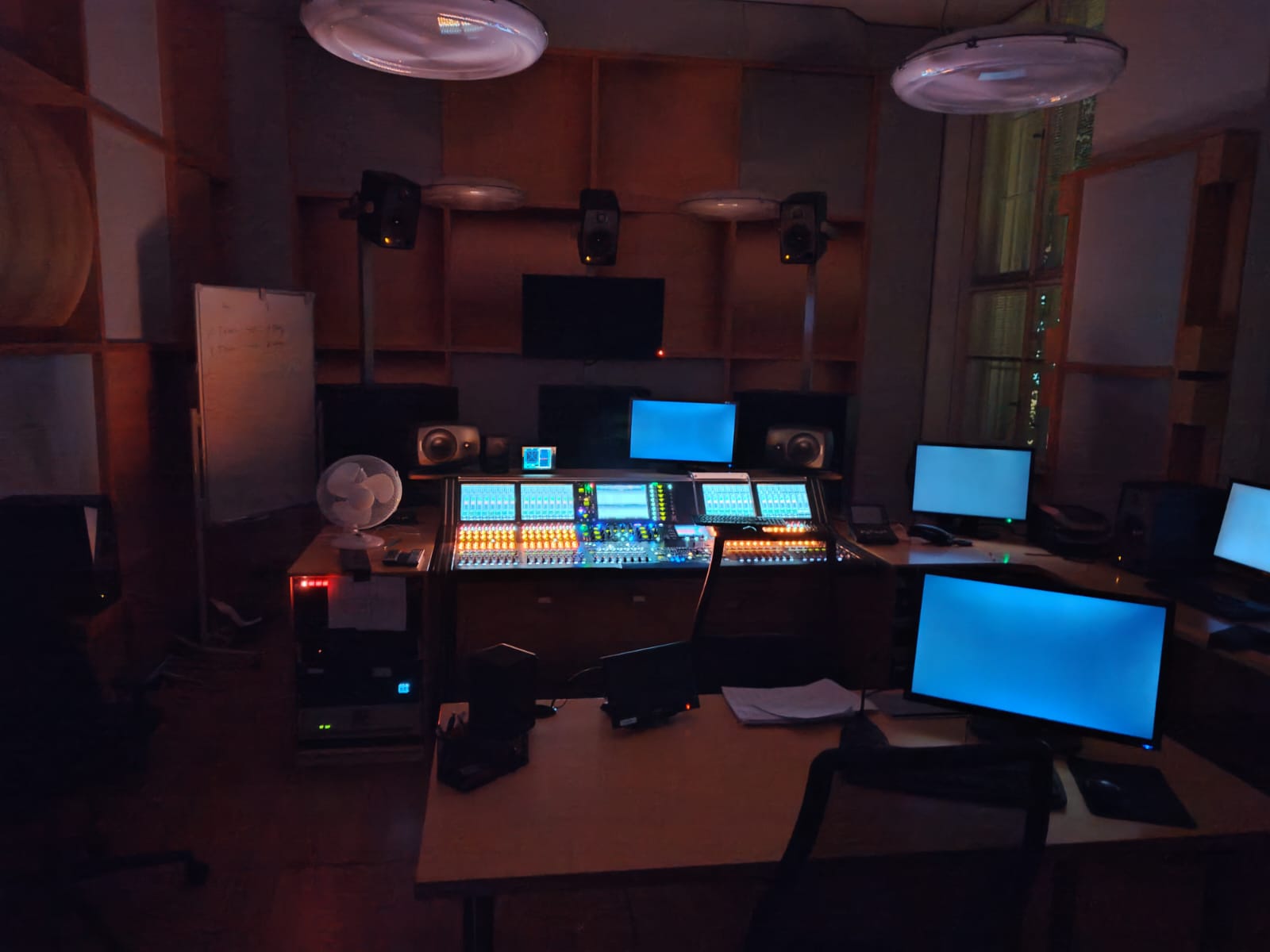
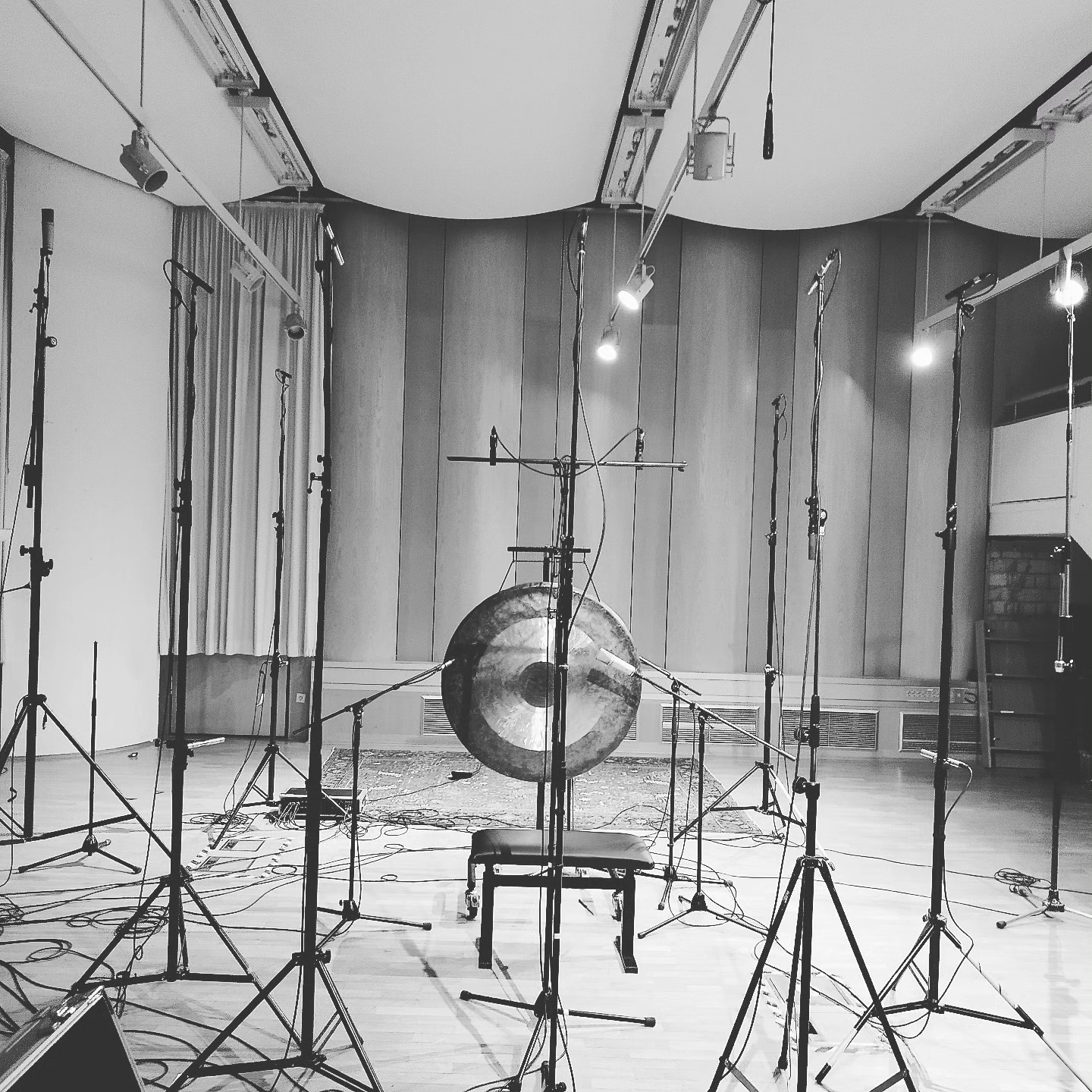
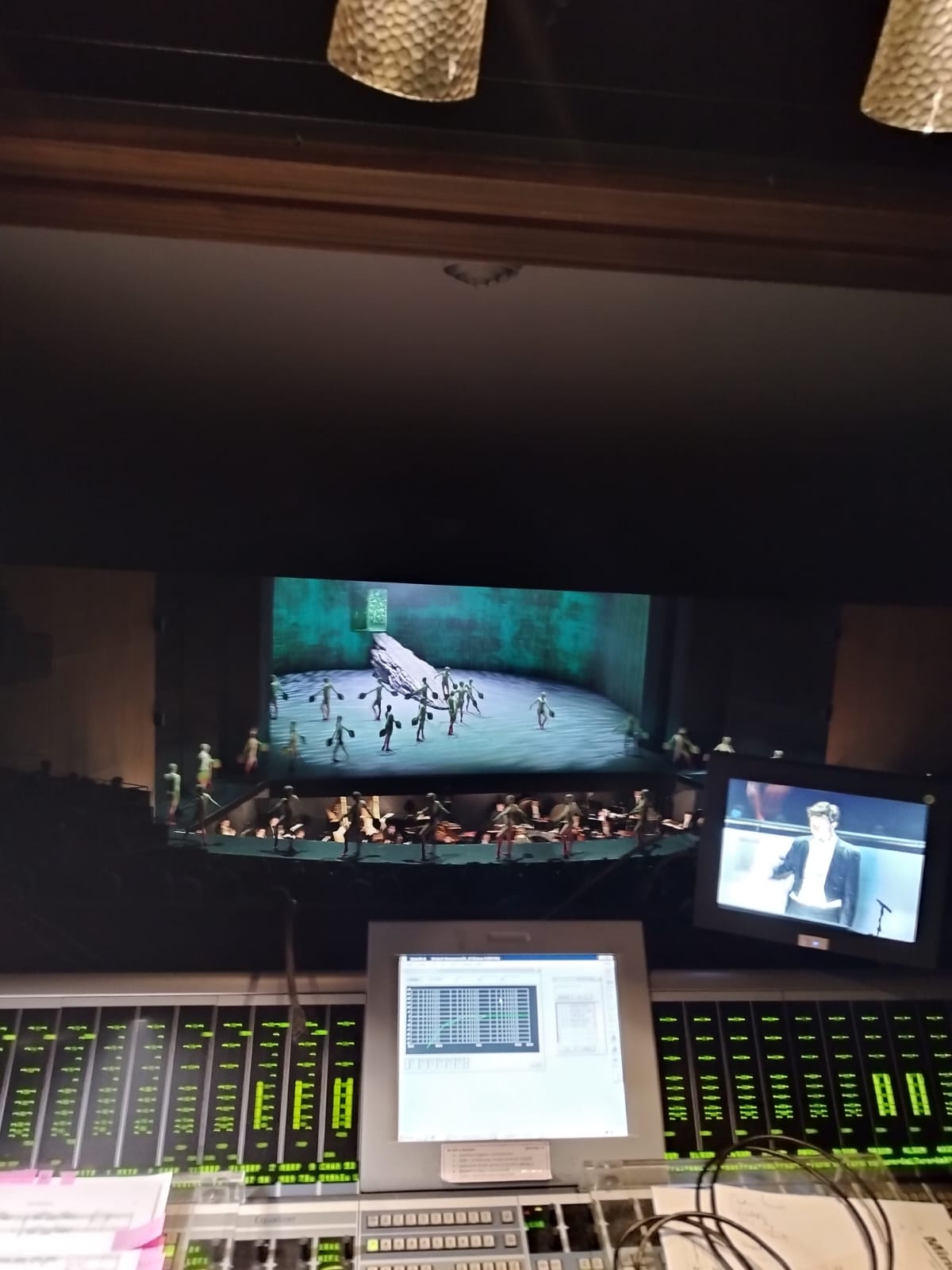
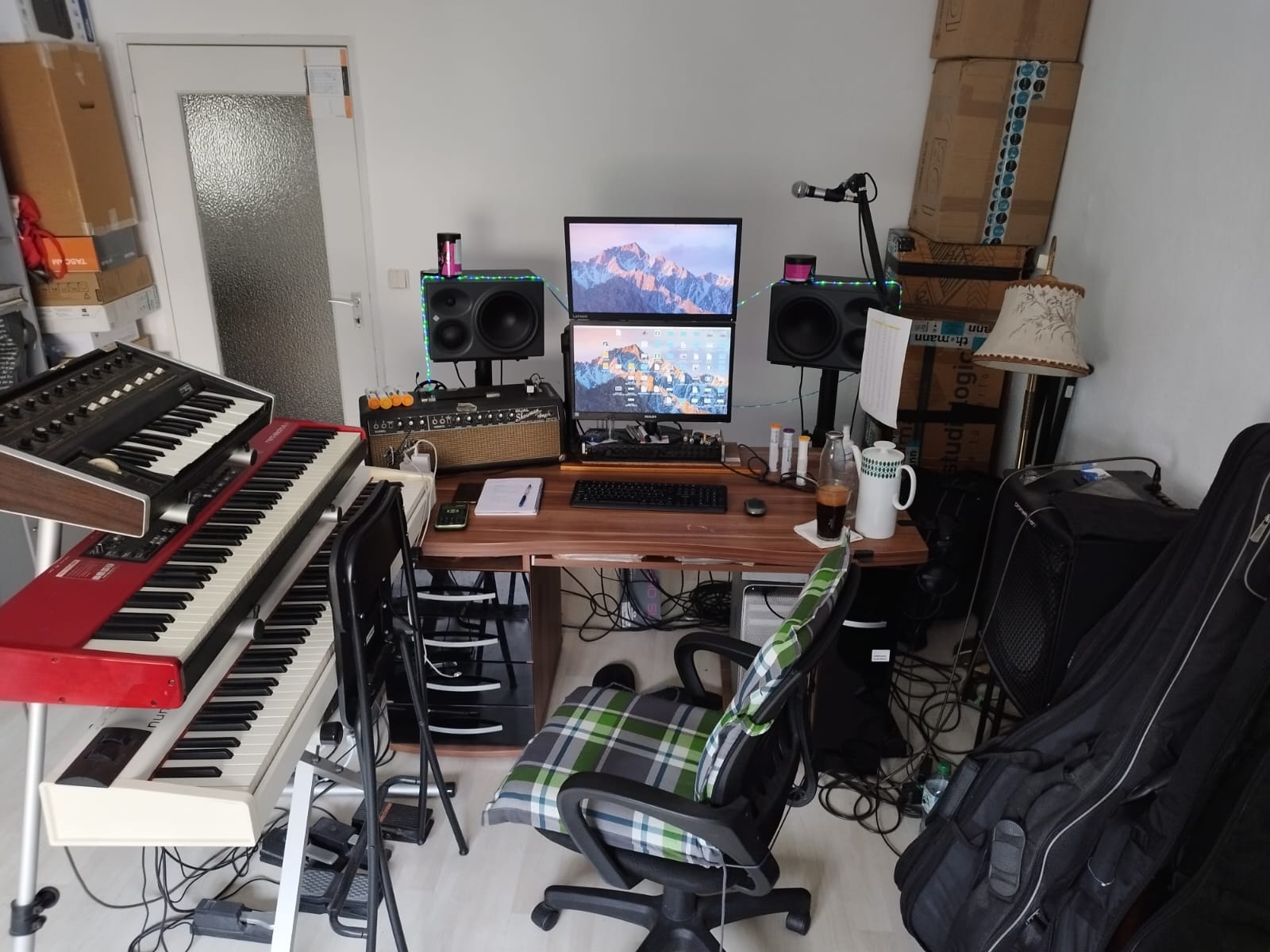
I grew up with music, instruments, and recording equipment around me. Long before I had clear words for separate roles such as musician, arranger, Tonmeister, or developer, these things already belonged together in practice: playing, listening, programming, recording, editing, and trying to understand how sound works. Music started very early for me. Before I could properly read and write, I already knew the notes on the piano and had perfect pitch. I remember recording myself on cassette at the age of five or six, playing small piano ideas and singing — or screaming — on top of them. Looking back, that was probably the beginning of the same curiosity that still drives my work today: not only writing or performing music, but capturing it, transforming it, and hearing it from the outside. As a small child, I started programming MIDI on my father’s Roland W-30 while also playing the piano. By the age of eleven, I was already building small home-recording setups. I would program MIDI backing tracks on the W-30, play guitar through a cheap distortion pedal straight into a Fostex 8-track mixer, add vocals through a simple microphone, and record the result onto my sister’s cassette recorder through its aux input. It was a very simple setup, but it contained many of the questions that would later become central to me: arrangement, sound, performance, recording, balance, and production. A year later, after we bought a computer, I began recording digitally. At fourteen I got Cubasis VST 2 and started exploring MIDI sequencing, audio recording and digital production more seriously. At the same time, I still enjoyed going back to my father’s Fostex 4-track reel-to-reel recorder, mostly for fun and experimentation. I liked moving between different technologies and hearing how each one changed the way music felt. During my teenage years, music and technology developed side by side. Piano was my first main instrument and remained central for many years, but guitar, bass, synthesizers and recording gradually became equally important. I spent many hours practicing progressive metal and hard rock vocabulary on keyboards, guitar and bass, while also exploring synth sounds, organ-style solos, pitch bending and sound building on instruments such as the Micromoog and the Roland XV-88. At the same time, I went deeper into Cubase SX, Waves plug-ins, MIDI programming, and digital recording techniques. Getting my first condenser microphone, an Oktava MK-319, was an important step. Until then, many acoustic instruments had been captured with very limited tools, including cheap microphones or contact mics. The Oktava opened up a more detailed and realistic way of recording acoustic sound. I still have that microphone. In Athens, I played in many bands and gathered experience in both passion projects and professional contexts. These years were important not only musically, but also practically: rehearsing, performing, adapting to different people and styles, learning how bands function, and understanding how music behaves outside the practice room. I had the chance to work with notable musicians and also appeared on television twice as a performer. Alongside playing, I studied theory, composition, arrangement, and improvisation with Michail Travlos and Markos Alexiou. These studies helped me connect instinct with structure. They gave names and methods to things I had often approached intuitively: harmony, form, orchestration, voice leading, interaction, development, and musical direction. At the same time, I studied computer science in Athens. This added another layer to the way I understood music and sound. Concepts such as waves, modulation, filtering, digital signals, systems, and logic were not abstract ideas to me; they connected directly to things I had already experienced through instruments, synthesizers, recording and mixing. Computer science helped translate musical and sonic intuition into more technical thinking. After completing my university studies in Athens and my advanced music theory and arrangement studies, I moved to Berlin. Berlin changed many things at once: the musical environment, the technical standards, the professional expectations and my own sense of identity. I studied Tonmeister at the Universität der Künste Berlin with a double major in jazz, while doing practica, starting to work professionally and continuing to play music. In Berlin, many of the threads that had developed separately began to come together more clearly: composition, arrangement, improvisation, studio work, live sound, theatre and opera, recording, editing, FOH, and technical problem-solving. The Tonmeister path gave a professional framework to many years of experimentation, while the jazz studies kept the connection to performance, interaction, and musical spontaneity alive. Later, software development became another way of continuing the same exploration. My rhythm and audio tools grew out of musical questions rather than from a purely technical starting point. Projects such as BRG and Rhythm Combinations are connected to the same long-term interest: how rhythm, structure, sound, and musical perception can be explored through tools. Theta Kappa Music is the home for these connected areas of work. The different sections of this website present them more formally — Music, Tonmeister, Apps / Software, and Services — but they all come from the same background: a lifelong curiosity about music, sound, structure, and the tools that shape them.Introduction
Early Music
MIDI and Home Recording
Instruments and Sound
Athens
Theory, Composition and Improvisation
Computer Science
Berlin
Software and Rhythm Tools
Theta Kappa Music